Back to home

Selected Work

Practical improvements across real operating environments.

Examples of operational problems addressed through process improvement, workflow automation, internal software, and clearer management visibility. Details are intentionally generalized to protect client confidentiality.

Service documentationClient communicationOperational workflow

Cleaning Operations

Service information was scattered across texts, photos, and separate places.

The situation

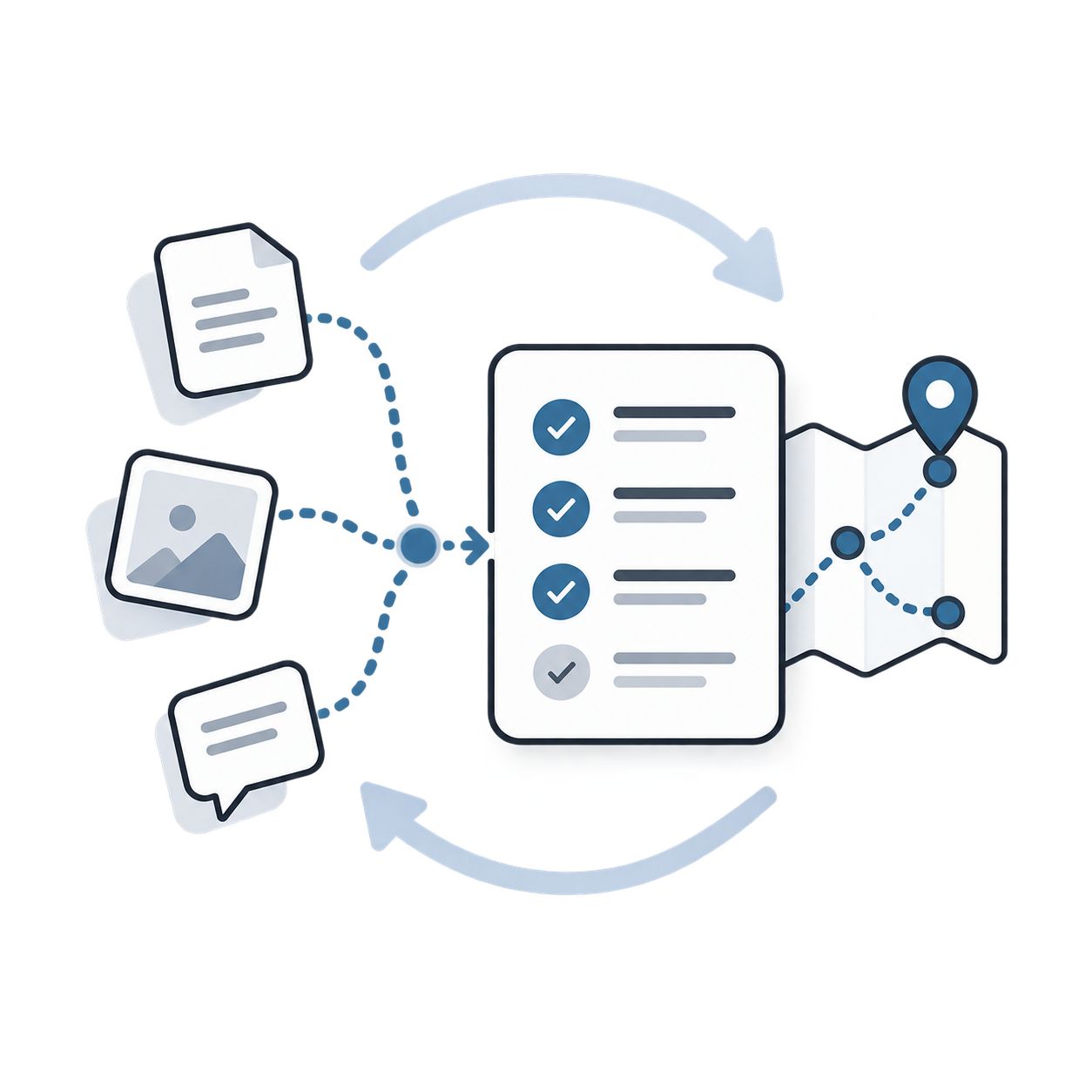
Service information, photos, and communication were spread across multiple channels, making management harder and client updates inconsistent.

What changed

A centralized operational system brought service activity, documentation, photos, and client communication into one structured workflow built around how the company actually works.

The result

The owner gained one place to manage service activity, clients could stay informed in real time, and day-to-day operational friction was reduced.

Custom internal softwareWorkflow managementReporting

Property Inspection Operations

Off-the-shelf software added cost and complexity without fitting the actual workflow.

The situation

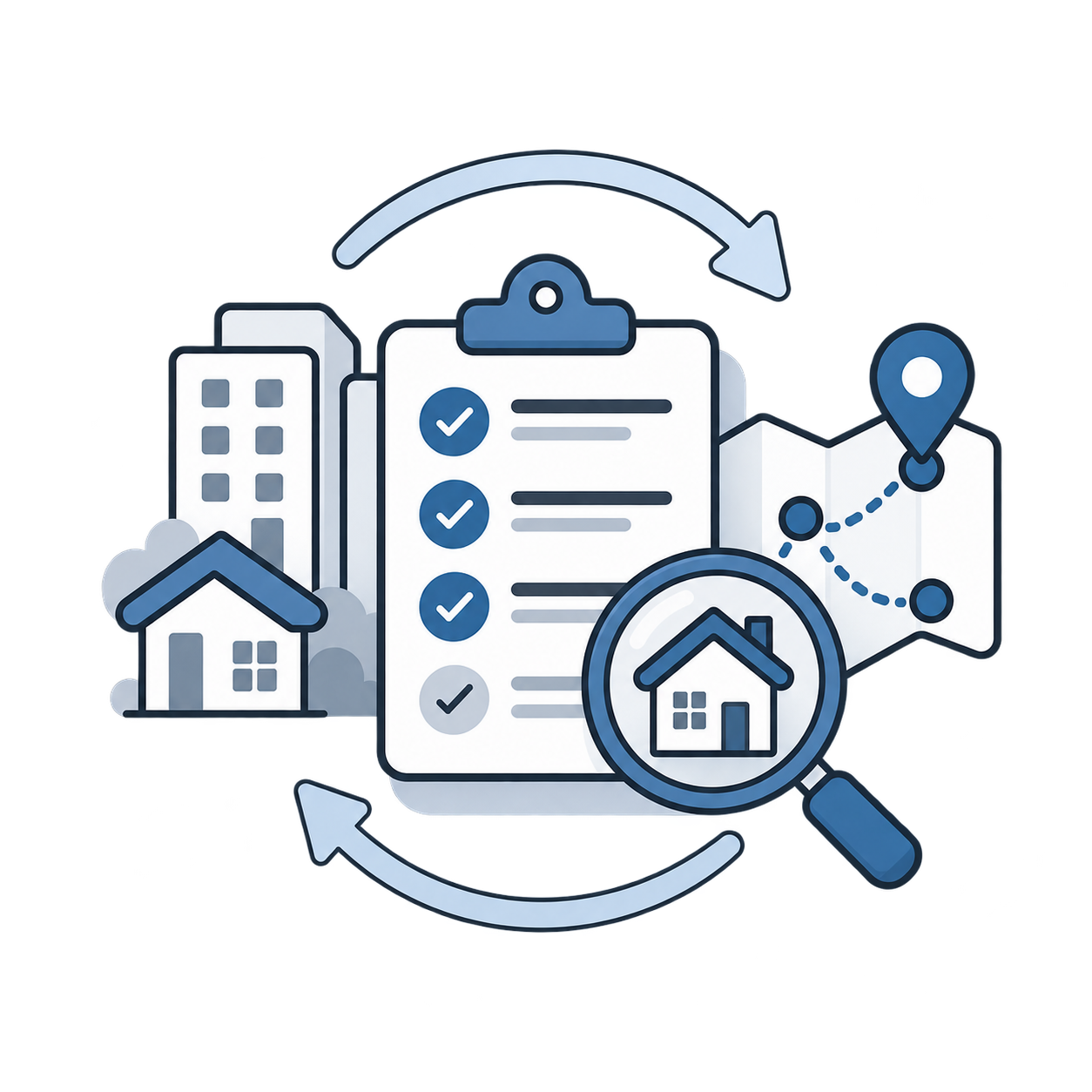
The company needed software that supported its inspection operation without paying for a large generic platform full of unused features.

What changed

A custom operational system was built around the company’s actual inspection workflow.

The result

The company gained a simpler system built around its own way of working, helping keep software costs controlled while supporting efficient operations.

Process redesignProductivityOperational management

Manufacturing & Business Operations

Output needed to grow without simply adding more people.

The situation

The operation needed significantly more output and sales capacity without solving every constraint by adding headcount.

What changed

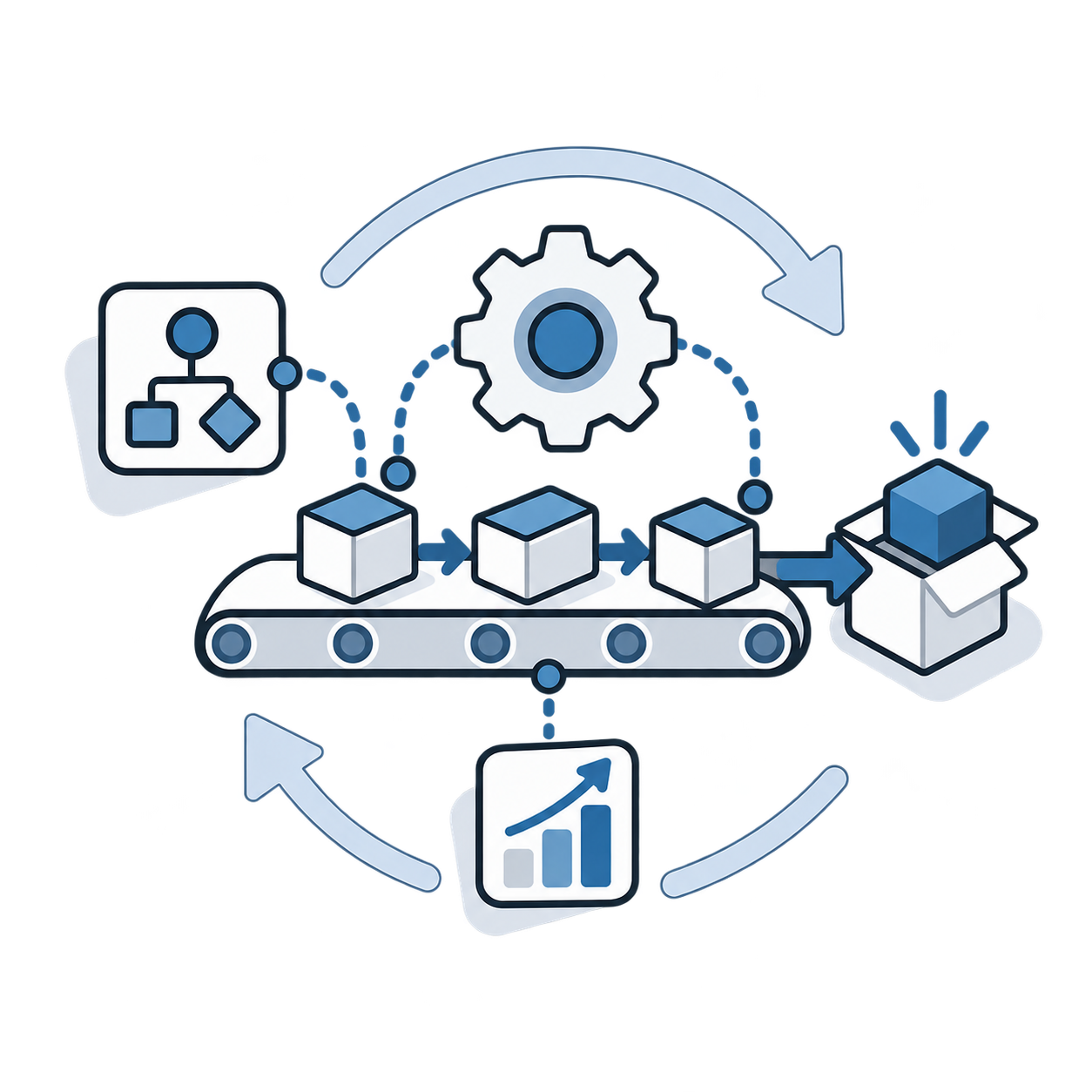
Workflows, processes, accountability, and day-to-day execution were redesigned around productivity and throughput.

The result

Sales/output tripled without additional headcount and productivity improved approximately 25%.

Issue managementField coordinationMulti-location visibility

Cemetery & Death-Care Operations

Multi-site issues were difficult to report, verify, assign, and close through fragmented communication.

The situation

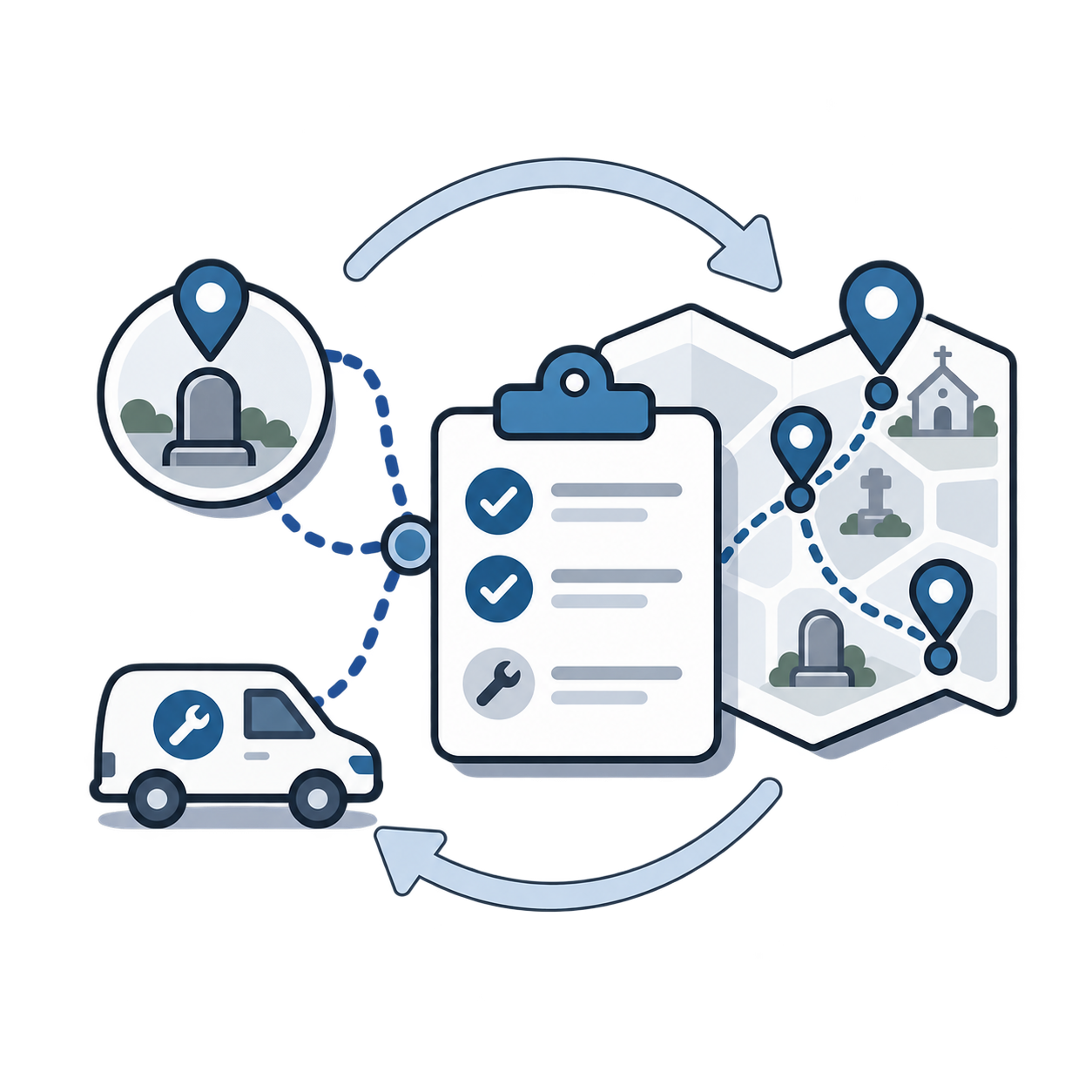
Multi-location cemetery operations can rely heavily on email and informal communication for reporting field issues, assigning responsibility, documenting work, and confirming resolution.

What changed

An operational prototype was designed around centralized issue reporting, role-based visibility, photos, notifications, assignment, status tracking, and documented closure.

The result

The prototype demonstrated how fragmented issue handling could become a clear, traceable workflow with stronger accountability and documentation.

Research workflow designProcess standardizationInformation management

Research & Investment Support

Research workflows were fragmented across manual collection, analysis, and reporting steps.

The situation

An investment-related research process relied on multiple manual steps for gathering, organizing, evaluating, and presenting market information, creating unnecessary repetition and friction between raw research and usable analysis.

What changed

The research process was reviewed and restructured to create a more consistent workflow for information collection, organization, analysis, and reporting, with emphasis on reducing manual friction, improving repeatability, and making outputs easier to develop and use.

The result

The redesigned approach created a more structured research process with clearer information flow and less unnecessary manual work, allowing research activity to move more efficiently from initial collection through final analysis.

Digital experience redesignWorkflow integrationAutomated communications

Entertainment & Creative Operations

The digital presence and partner communication workflows needed to work as one connected experience.

The situation

An established event brand needed its digital presence fully redeveloped while vendor, sponsor, and event-related communication depended on separate tools and manual handoffs.

What changed

The digital experience was restructured around the brand and visitor journey, while sponsor and partner workflows were integrated directly into the site through structured intake, automated notifications, confirmation messaging, and clearer information pathways.

The result

The organization gained a more cohesive digital platform that supports both the audience experience and the administrative workflows behind the event, making external communication and internal handling of sponsor and partner interest more structured and efficient.

Internal systemsReportingOperational scale

National Multi-Site Operations

A growing national operation needed better systems, reporting, and visibility to scale.

The situation

A national service operation had to coordinate people, processes, reporting, customer work, and management visibility across a growing business.

What changed

Internal operational systems, process improvements, SQL-based reporting/dashboard capabilities, and software initiatives were developed around the operation’s needs, including oversight of internal application development.

The result

Sales increased about 30%, reporting time decreased about 30%, team efficiency improved about 20%, and the operation grew to just under $10M scale.

Have an operational problem that does not fit a category?

Start with the situation. The right solution may be a process change, automation, custom software, or a combination.

Explore the Operations Audit

What's slowing your business down?

Tell us how you're handling it today, what's frustrating about it, and what you wish worked differently.

Schedule a Conversation

Or reach us directly at hello@gleasoninsight.com